
Understanding the Amygdala and How Breathing Helps Regulate Emotions
Have you ever found yourself reacting in a way that felt irrational or overly intense—and later wondered why? You’re not alone. At Emmaus Counseling, we often help clients understand how their brain works under stress, especially when it comes to the amygdala—a small but powerful part of the brain that plays a major role in emotional regulation and survival responses.
In this blog post, we’ll break down:
- What the amygdala is and how it functions
- Why we sometimes “flip our lids”
- How breathing exercises can help regulate your nervous system and reconnect your thinking brain with your feeling brain
What Is the Amygdala?
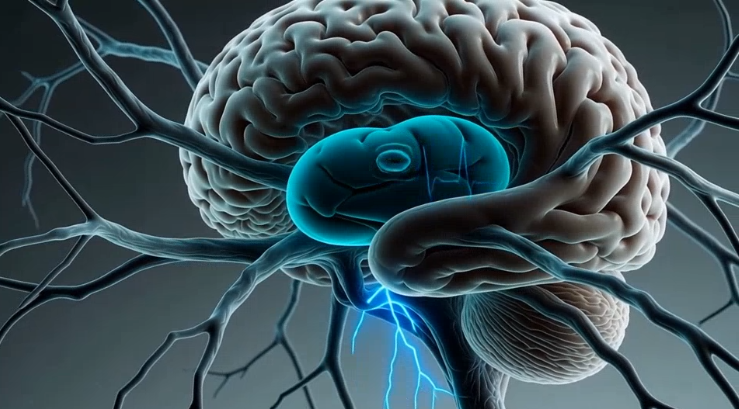
The Amygdala
The brain’s internal alarm system responsible for the fight, flight, or freeze response.
The amygdala is a primitive structure in the middle of your brain, located just above the brainstem. Think of it as the brain’s internal alarm system. When something distressing happens—a loud noise, a traumatic memory, or even an overwhelming situation—your amygdala activates your fight, flight, or freeze response.
While this reaction is meant to protect you, the amygdala does not have the ability to judge whether something is truly dangerous. It simply reacts to what it perceives in the environment.
For example, smelling smoke might cause your amygdala to believe that the house is on fire. But maybe it’s just the toaster burning bread. If your body reacts before your logical brain has time to assess the situation, you may find yourself panicking unnecessarily.
What Happens When You “Flip Your Lid”

“Flip the Lid”
Is the house on fire? Or is it simply burnt toast? Master your responses.
When the amygdala takes over, the prefrontal cortex—the thinking and reasoning part of your brain—gets disconnected. In therapy, we often use the phrase “flipping your lid” to describe this moment. Your ability to think clearly shuts down, and your emotions take the wheel.
That’s why you might:
- Respond explosively to what, in hindsight, you determine was a small issue
- Make impulsive or irrational decisions
- Feel like you’re in survival mode, even if you’re physically safe
This reaction is normal, especially for individuals who have experienced trauma or chronic stress. But it’s also something you can learn to manage through grounding techniques—particularly through the power of deep breathing.
How Deep Breathing Regulates the Brain
When you take deep, intentional breaths, something powerful happens: you help reconnect your thinking brain with your emotional brain. Deep breathing resets your nervous system by sending signals letting it know that you are not in danger. It activates the parasympathetic nervous system, which promotes calm and balance.
Deep breathing:
- Reduces heart rate and muscle tension
- Signals safety to the brain and body
- Helps you pause and assess rather than react
- Supports emotional regulation and mindfulness
At Emmaus Counseling, we teach clients of all ages how to use their breath as a tool for self-regulation. Whether you're a child learning how to manage big feelings or an adult working through trauma responses, deep breathing gives you a practical way to stay grounded in the moment.

Promote Calm & Balance
Manage your breathing to help reconnect your thinking brain with your emotional brain.
Why This Matters in Therapy
Understanding how your brain functions under stress is empowering. When you realize that reactions are driven by your nervous system—not by personal failure—it opens the door to healing with compassion. Deep breathing is just one of many tools we integrate into intentional and compassionate therapy here at Emmaus.
Stay tuned for more resources on helpful breathing techniques and the overall effects on our mental health.
Ready to Learn More?
Emmaus Counseling offers bilingual (English/Spanish), trauma-informed counseling services in South Austin, Buda, and Kyle, Texas. Whether you're exploring therapy for yourself or your child, we’re here to help you understand what’s happening inside—and give you tools to navigate it with strength.
🔗 Visit us at www.emmaus-counseling.net
📍 Serving families in South Austin, Buda, and Kyle
💙 Therapy in English and Spanish available
